Kitchen Remodeling Costs: What Homeowners Need to Know
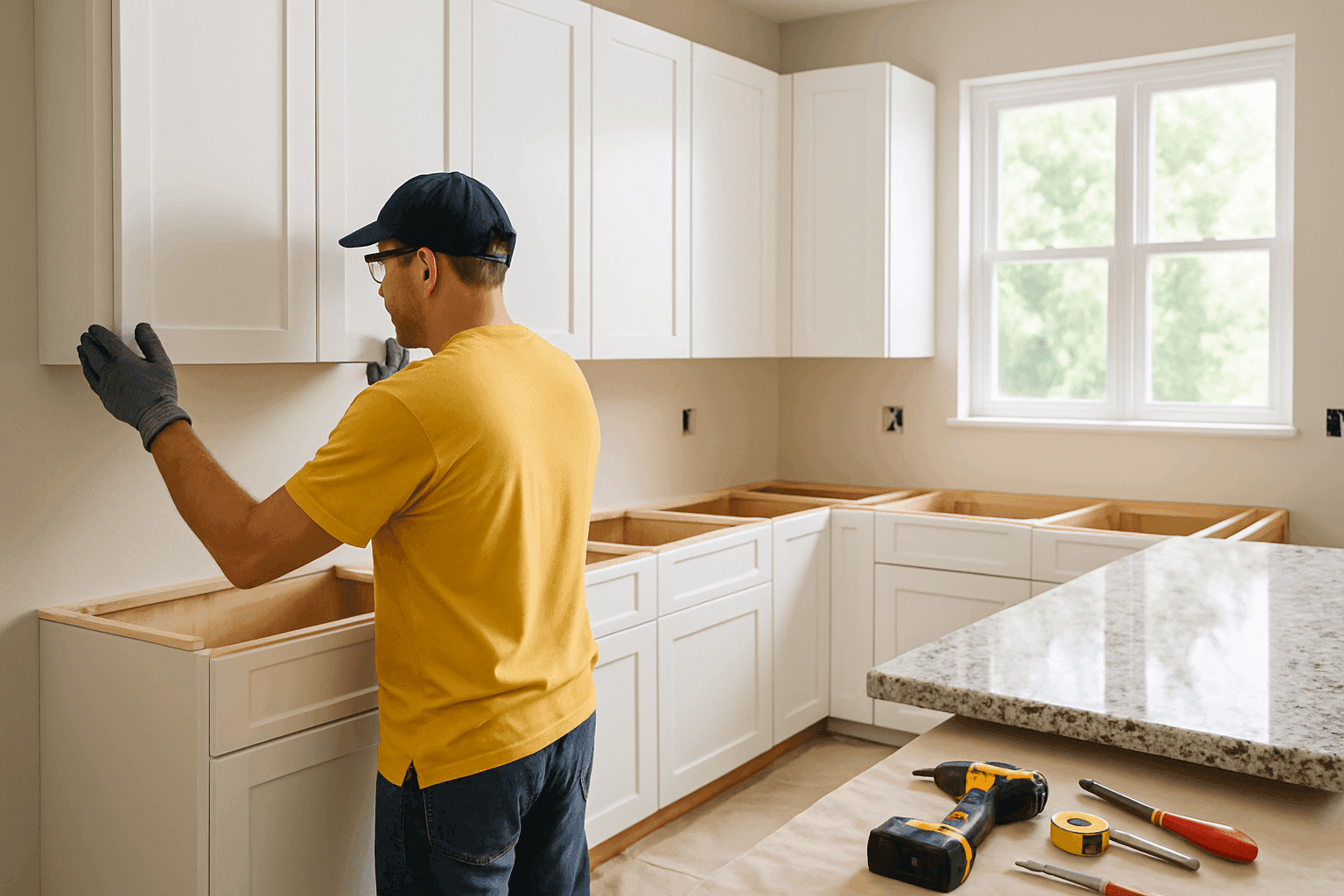
Are you dreaming of a kitchen that finally fits your life? You're not alone. Kitchen remodeling is one of the most popular—yet complex—home improvement projects. The price tag can feel like a mystery box, especially with all the choices and variables that come with transforming your space.
At Kitchen Creation, we get it. Homeowners want beauty, function, and lasting value. But what will it actually cost? Let’s break down the numbers, clear up the confusion, and help you prepare a realistic budget for your kitchen remodel.
Why Kitchen Remodeling Costs Vary 🏠
No two kitchens—or budgets—are alike. Remodeling costs swing widely, from a simple refresh to a full gut-and-rebuild. Here’s why:
- Materials: Choices like Custom Cabinetry, granite countertops, and luxury appliances can swing costs dramatically.
- Labor: Skilled trades—carpenters, electricians, plumbers—come with varying rates based on experience and demand.
- Scope: Are you moving walls or just swapping out cabinet doors? The bigger the change, the bigger the bill.
- Region: Labor and material costs differ by zip code. Urban areas often see higher prices than rural ones.
Think of a remodel like tailoring a suit. Off-the-rack is affordable, but custom work fits you perfectly—and costs more.
Major Cost Drivers in Kitchen Remodeling
Let’s dig into the most significant pieces of the budget puzzle.
Custom Cabinetry
Cabinetry is often the single largest expense in kitchen remodeling. Custom Cabinetry near you can account for 20%–40% of your total spend.
- Custom Cabinets: $500–$1,200+ per linear foot.
- Semi-Custom: $250–$650 per linear foot.
- Stock: $100–$300 per linear foot.
Tips:
- Mix custom upper cabinets with stock lowers for savings.
- Opt for open shelving in some areas to cut costs and add visual space.
Countertops: Granite, Quartz, Marble, and Butcher Block
Countertops are the stage for daily life. Popular materials include:
- Granite: $50–$200 per square foot (installed). Durable, classic, and heat-resistant.
- Quartz: $60–$180 per square foot. Low-maintenance, non-porous, and modern.
- Marble: $70–$250 per square foot. Elegant, but requires sealing and care.
- Butcher Block: $40–$100 per square foot. Warm, inviting, and ideal for prep, but needs oiling.
Tips:
- Use premium surfaces on islands or key workspaces, and more affordable materials elsewhere.
- Ask about remnant slabs for small areas.
Flooring Installation
Flooring can set the mood—or blow the budget.
- Tile: $10–$50 per square foot (including labor). Durable and water-resistant.
- Hardwood: $12–$30 per square foot. Classic and warm, but sensitive to moisture.
- Luxury Vinyl Plank: $4–$12 per square foot. Budget-friendly, easy to maintain.
Tips:
- Install new flooring after cabinetry to avoid unnecessary cuts and waste.
- Durable options like tile stand up to heavy traffic and spills.
Lighting Installation
Good lighting is the jewelry of the kitchen.
- Recessed lights: $150–$300 each (installed).
- Pendant lights: $200–$600 each, depending on style.
- Under-cabinet lighting: $200–$500 per section.
Tips:
- Combine ambient, task, and accent lighting for both function and mood.
- LED options save electricity and last longer.
Appliance Installation
Today’s kitchens often feature built-in appliances for a seamless look.
- Basic appliance installation (per unit): $100–$500.
- High-end or built-in units: $500–$2,000+ (including modifications).
Tips:
- Bundle appliance purchases for volume discounts.
- Confirm your electrical and plumbing systems can handle new appliances before buying.
Stretching Your Remodel Budget
You don’t have to choose between savings and style. Here’s how to get more from every dollar:
- Keep the layout: Moving plumbing or walls can triple your costs.
- Reuse what you can: Refinish or repaint solid cabinet boxes.
- Phase your project: Tackle must-haves now; upgrade finishes later.
- Shop seasonal sales: Appliances and fixtures often go on sale after holidays.
- Prioritize storage: Well-planned pantries and smart Storage Solutions cost less than removing walls.
Often-Overlooked Expenses
These “hidden” costs can sneak up on you if you’re not prepared:
- Permitting: Required for electrical, plumbing, and structural changes. Fees range from $200–$2,000+ depending on your city.
- Design Consultation: Professional design ensures everything fits—literally and visually. Budget $500–$3,000 for a designer.
- Post-Construction Inspection: Critical for safety and code compliance. Inspections may cost $200–$600.
- Cleanup Services: Removing debris and dust can add $300–$800.
Budget Checklist: Preparing for a Realistic Remodel
- Measure your space accurately.
- List your must-haves vs. nice-to-haves.
- Research appliance specs and utility needs.
- Talk to neighbors about their recent kitchen_remodeling costs.
- Factor in a 10–20% buffer for surprises.
- Verify local code requirements with your city’s building department (see National Kitchen & Bath Association guidelines).
Getting Accurate Quotes
- Request itemized bids—lump sums hide details.
- Make sure quotes include demolition, disposal, and finishing touches.
- Ask about project management oversight—good coordination saves time and money.
- Check references and contractor licensing with your state’s consumer protection office.
What to Expect from Reputable Contractors and Project Managers
A trustworthy pro:
- Schedules a walk-through and listens to your goals.
- Provides a clear, written estimate with a timeline.
- Handles permitting and inspections.
- Communicates clearly—no disappearing acts.
- Manages skilled trades for plumbing installation, electrical work, and more.
Project managers keep things on track, juggling schedules and trades like conductors guiding an orchestra.
Factors That Add Value and Long-Term Savings 💡
- Quality Materials: Durable Custom Cabinetry and countertops need less replacement.
- Efficient Layouts: Save steps—and energy—by planning workflow zones.
- LED Lighting: Lower utility bills and bulb replacement.
- Modern Appliances: ENERGY STAR-rated appliances mean lower running costs.
- Proper Ventilation: Extends the life of cabinetry and improves air quality.
Smart kitchen_remodeling isn’t just about today. It’s about making your home more livable, efficient, and valuable for years to come.
Frequently Asked Questions
How long does a kitchen remodel take?
A typical kitchen remodel runs from 6–12 weeks, depending on complexity, material lead times, and permitting. Large or structural changes can extend the timeline.
Will remodeling my kitchen increase home value?
Most kitchen remodels recoup 60–80% of their cost at resale, according to Remodeling Magazine’s Cost vs. Value report. Updates that improve function and appearance are especially attractive to buyers.
Do I need permits for a kitchen renovation?
Yes, if you’re moving plumbing, electrical, or making structural changes. Always check with your local permitting office before starting work.
Can I live at home during my kitchen remodel?
Usually, yes—but expect noise, dust, and some inconvenience. Set up a temporary kitchen space elsewhere in your home if possible.
Final Thoughts: Plan Smart, Remodel with Confidence
Kitchen remodeling is a big investment. With the right plan, you’ll get the kitchen you want—without financial surprises. Stay informed, ask questions, and team up with professionals who value clear communication and expert craftsmanship.
Ready to start your dream kitchen? Call Kitchen Creation now — or reach us anytime at 844-405-5584 .